


How To Remove Adhesive Tape Residue From Painted Walls
Sticky tape is a quick fix for everything, from posters to fairy lights and decorations. But once you peel it off, you are often left with an ugly, stubborn residue that attracts dust and ruins the clean look of your painted walls. What seems like a small patch can suddenly make an entire room look neglected, especially when it catches the light or stands out against freshly painted surfaces.
This becomes even more stressful when you’re preparing for inspections or moving out of a rental property. Landlords and property managers expect walls to be spotless, and leftover adhesive marks can cost you a portion of your bond. This article will guide you on how to remove adhesive tape residue from painted walls. With the right techniques and gentle cleaning methods, you can remove tape residue safely without peeling paint or causing damage, a must know skill when planning your end of lease cleaning Adelaide checklist.
Hide
Show
- Start with Gentle Dry Removal Methods First
- Use Warm Soapy Water for Mild Adhesive Marks
- Try Household Oils to Break Down Stubborn Glue
- Use Gentle Heat to Loosen Stubborn Adhesive Residue
- Use Commercial Adhesive Removers Carefully
- Finish with Wall Cleaning and Touch Up Care
- Infographic For Tips To Remove Adhesive Tape Residue
- Wrapping Up
1. Start with Gentle Dry Removal Methods First
Before reaching for liquids or chemicals, try dry methods. Many adhesive residues can be lifted with simple friction. Use your fingers to gently rub the sticky area in circular motions. The warmth and pressure often roll the glue into small balls that you can easily wipe away. A soft microfibre cloth or an old credit card can also help scrape residue without scratching paint.
Avoid sharp tools, like knives or metal scrapers. These might seem faster, but can chip paint or leave permanent scratches. Always start with the least aggressive approach; it is safer and often surprisingly effective. If the residue is fresh then this step alone might completely remove it.
2. Use Warm Soapy Water for Mild Adhesive Marks
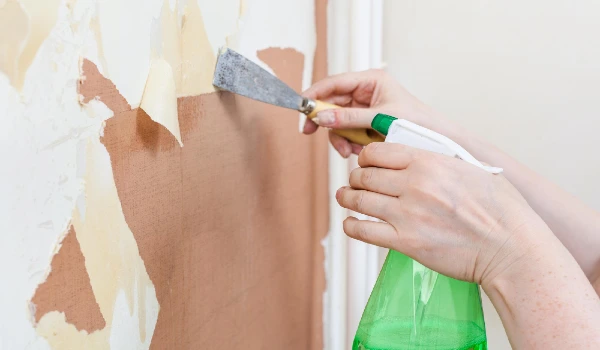
If dry rubbing doesn’t work; warm soapy water is your next safest option. Mix a few drops of dishwashing liquid in warm water and dip a soft sponge or cloth into the solution. Gently dab, don’t soak the sticky area. Let it sit for a minute to soften the glue before wiping it away.
Painted walls don’t respond well to excess moisture, so avoid scrubbing too hard or using too much water. Work slowly and dry the area immediately with a clean towel. This method is ideal for delicate paint finishes and is commonly recommended during routine wall touch ups in quality end of lease cleaning Adelaide jobs because it’s effective yet low risk.
3. Try Household Oils to Break Down Stubborn Glue
For tougher residue that refuses to budge, natural oils can help break down the adhesive bonds. Cooking oil, baby oil, eucalyptus oil or even peanut butter can work surprisingly well. Apply a small amount onto a cloth and gently rub it over the sticky patch.
Let the oil sit for 5 to 10 minutes so it can dissolve the glue. Then wipe clean with a damp cloth and mild soap to remove any greasy film. Always spot test first on a hidden area to make sure that the paint doesn’t discolour. Oils are particularly helpful for older tape marks that have hardened over time.
4. Use Gentle Heat to Loosen Stubborn Adhesive Residue
Heat can be very effective in softening old or hardened adhesive without damaging paint when used carefully. A hair dryer on a low or medium setting works best for this method. Hold it a short distance away from the wall and warm the residue for a few seconds to loosen the glue.
Once the adhesive softens then gently rub it away using your fingers or a soft cloth. Avoid overheating the area, as excessive heat can blister paint or cause discolouration. This technique is especially useful for thick tape residue left behind by hooks or heavy decorations and is a handy trick to remember during detailed end of lease cleaning preparations.
5. Use Commercial Adhesive Removers Carefully
If home remedies fail, commercial adhesive removers or products like rubbing alcohol can help. Apply a small amount to a cotton ball and dab lightly; never pour directly onto the wall. These products are stronger, and can strip paint if used aggressively.
Ventilation is very important when using chemical solutions. Open windows and wear gloves to protect your hands. Again, testing a small hidden patch first is crucial. While these removers are effective, they should be your last resort, especially on matte or low quality paint that can easily fade or peel.
6. Finish with Wall Cleaning and Touch Up Care
Once the adhesive is gone, clean the entire section of the wall to ensure an even finish. Spot cleaning sometimes leaves slightly cleaner patches that stand out. Wipe the surrounding area with a mild solution and dry thoroughly to maintain a consistent look.
If any tiny paint chips or dull spots remain then consider a small touch up using matching paint. This final step is particularly important during move out preparations. Property managers often inspect walls closely, and flawless surfaces make a big difference. Many tenants include wall care as part of professional end of lease cleaning Adelaide services to guarantee their bond return.
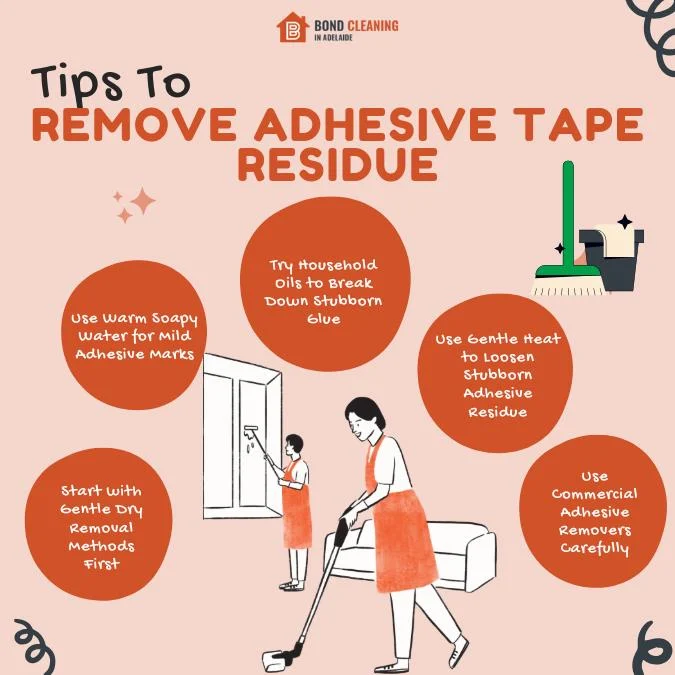
Infographic For Tips To Remove Adhesive Tape Residue
Wrapping Up
Removing adhesive tape residue from painted walls doesn’t have to be frustrating or risky. The key is patience and starting with the gentlest methods before moving to stronger solutions. Whether you’re refreshing your home or preparing for a final inspection, clean, mark free walls instantly elevate the space. With these practical tips, you can tackle sticky residue confidently and leave your walls looking smooth, spotless and inspection ready.