


Spring Cleaning Tips to Reduce Allergens in Your Home
Spring brings longer days, fresh air and a sense of renewal, but it also ushers in a surge of allergens that can quietly settle inside your home. Dust mites, pollen, pet dander and mould spores often accumulate during winter when homes remain closed up, making spring cleaning more than just a basic task. It becomes essential for protecting your indoor air quality and overall health.
This article will provide you with spring cleaning tips to reduce allergens in your home. A thorough, allergen focused spring clean can significantly reduce sneezing, itchy eyes, and breathing discomfort, especially for families with children, elderly members or pets. Whether you’re refreshing your living space or preparing for top quality end of lease cleaning Adelaide, following the right strategies ensures your home is not only spotless but also healthier to live in.
Hide
Show
- Start with Dusting the Right Way
- Deep Clean Carpets, Rugs and Upholstery
- Wash Fabrics That Hold Hidden Allergens
- Target Kitchens and Bathrooms for Mould Control
- Improve Indoor Air Quality with Smart Habits
- Declutter to Minimise Dust Build Up
- Infographic For Allergen Reducing Tips During Spring Cleaning
- Wrapping Up
1. Start with Dusting the Right Way
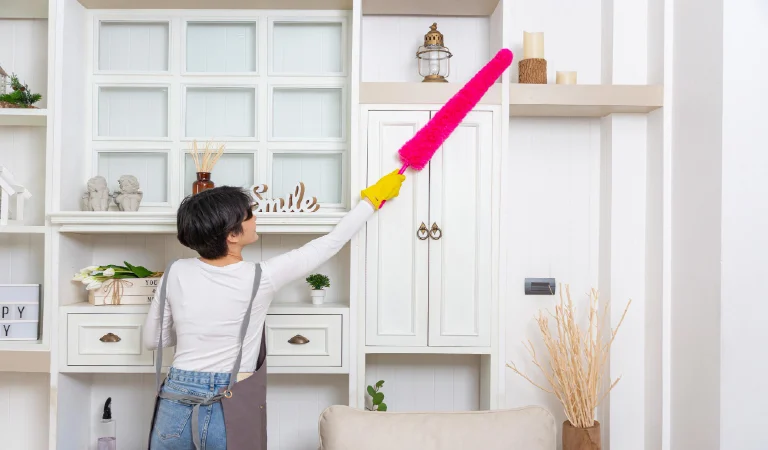
Dust is one of the biggest carriers of allergens, yet it’s often removed incorrectly. Dry dusting tends to spread fine particles into the air, allowing allergens to resettle on surfaces or get inhaled. Instead, use a damp microfibre cloth that traps dust effectively without redistributing it. Focus on often neglected areas like ceiling fans, light fittings, door frames and skirting boards.
Don’t forget high and hidden spots such as the tops of wardrobes, shelves and window ledges. These areas collect pollen and dust over time and can continuously circulate allergens if left untouched. Working from top to bottom ensures that fallen dust is cleaned up later, preventing double work and improving overall efficiency.
2. Deep Clean Carpets, Rugs and Upholstery
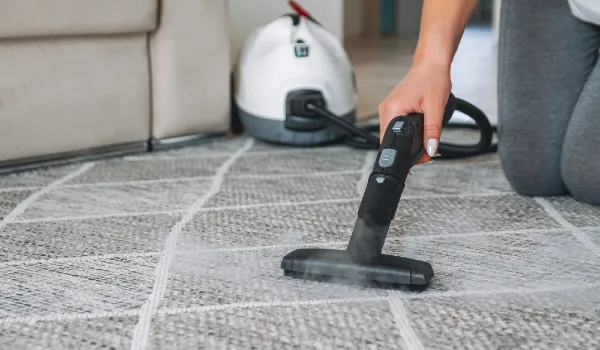
Soft furnishings are magnets for allergens. Carpets, rugs, curtains and sofas trap dust mites, pollen and pet hair deep within their fibres. Regular vacuuming helps, but spring is the ideal time for a deep clean. Use a vacuum cleaner with a HEPA filter, as it captures microscopic allergens rather than releasing them back into the air.
For an even deeper clean, consider steam cleaning carpets and upholstery. Steam effectively kills dust mites and removes stubborn allergens without harsh chemicals. If you’re vacating a rental, professional carpet cleaning is often essential and aligns well with end of lease cleaning Adelaide standards, making sure that both cleanliness and allergy reduction.
3. Wash Fabrics That Hold Hidden Allergens
Curtains, cushion covers, throws and even bedding can harbour allergens long after winter ends. Washing these items in hot water helps eliminate dust mites and pollen effectively. Pay special attention to pillowcases and mattress protectors, as these are in constant contact with your skin and airways.
Mattresses themselves deserve attention too. Vacuum them thoroughly and, if possible, air them out in sunlight. Sun exposure naturally reduces moisture and discourages dust mites. Rotating and protecting mattresses with allergen resistant covers can further prevent future buildup and improve sleep quality.
4. Target Kitchens and Bathrooms for Mould Control
Mould spores are powerful allergens and thrive in damp environments like kitchens, bathrooms, and laundries. Spring cleaning is the perfect time to tackle mould prone areas before warmer weather worsens the problem. Clean grout lines, exhaust fans and sink areas using anti mould solutions or natural alternatives like vinegar and baking soda.
Proper ventilation is just as important as cleaning. Make sure exhaust fans are functioning efficiently and windows are opened regularly to reduce humidity. Wipe down surfaces after showers or cooking to prevent moisture buildup. Keeping these areas dry and clean significantly reduces mould related allergies.
5. Improve Indoor Air Quality with Smart Habits
Spring cleaning shouldn’t stop at visible surfaces; indoor air quality plays a crucial role in allergen control. Replace air conditioner and heater filters; as dirty filters circulate allergens throughout your home. Clean vents and ducts where dust and pollen often accumulate unnoticed.
Introducing air purifying plants and using air purifiers with HEPA filters can also help maintain cleaner air. Additionally, keeping windows closed during high pollen days and removing shoes at the door, reduces the amount of outdoor allergens entering your home. This creates a healthier living environment long after spring cleaning is complete.
6. Declutter to Minimise Dust Build Up
Clutter doesn’t just affect aesthetics; it creates more surfaces for dust to settle. Old magazines, unused decor and overcrowded storage spaces trap allergens and make cleaning more difficult. Spring is the ideal time to declutter and reassess what you truly need in your home.
Organising storage with closed containers and reducing unnecessary items makes regular cleaning easier and more effective. Fewer objects mean fewer hiding places for allergens, helping maintain a cleaner, healthier home year round, especially important if you’re preparing for end of lease cleaning Adelaide, where cleanliness and presentation matter equally.
Infographic For Allergen Reducing Tips During Spring Cleaning
Wrapping Up
Spring cleaning is more than a seasonal ritual; it’s an opportunity to reset your home’s health. Whether you’re staying put or getting ready for end of lease cleaning, these targeted cleaning tips help create a fresher, safer living space. A little extra effort now ensures you enjoy the beauty of spring without the sneezes; making your home a true sanctuary for the season ahead.