


What Causes Mould in a Home & How to Get Rid of It?
Mould is one of those silent problems that can quickly turn your comfortable home into an unhealthy living space. It often starts small, maybe a faint musty smell or a tiny patch on the wall, but if left unchecked, it can spread rapidly and damage both your property and your health. Understanding what causes mould, is the first step towards preventing it from becoming a bigger issue.
This article breaks down the causes of mould and explores practical ways to eliminate it for good. Whether you’re a homeowner or a tenant preparing for budget end of lease cleaning Adelaide, tackling mould effectively is essential. Not only does it affect the appearance of your home, but it can also lead to costly repairs and even impact your bond return.
Hide
Show
- Excess Moisture: The Root Cause Of Mould
- Poor Ventilation and Airflow in the House
- Condensation Build Up in the House
- Leaks and Water Damage
- Organic Materials as a Food Source For Mould
- How to Get Rid of Mould Effectively
- Preventing Mould from Coming Back
- Infographic For House Mould Removal Guide
- Wrapping Up
1. Excess Moisture: The Root Cause Of Mould
Mould thrives in damp environments, making excess moisture the number one culprit behind its growth. This moisture can come from various sources, such as leaking pipes, roof damage or even high indoor humidity. Bathrooms, kitchens and laundry areas are particularly vulnerable because they frequently generate steam and moisture.
When moisture lingers without proper ventilation, it creates the perfect breeding ground for mould spores. Over time, these spores settle on surfaces and begin to grow, especially on materials like wood, plaster and fabric. Controlling moisture is key to preventing mould from forming in the first place.
2. Poor Ventilation and Airflow in the House
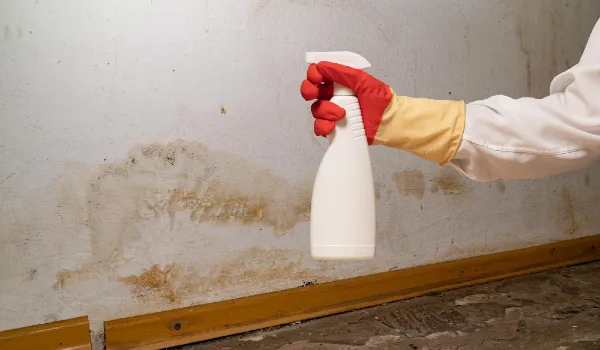
Lack of proper airflow is another major factor that contributes to mould growth. When air becomes trapped in enclosed spaces, it prevents moisture from drying out naturally. This is why areas like wardrobes, basements and closed rooms often develop mould issues.
Improving ventilation can make a significant difference. Opening windows, using exhaust fans, and allowing fresh air to circulate help reduce humidity levels. Even simple habits like keeping doors open or using a fan, can prevent mould from taking hold in your home.
3. Condensation Build Up in the House
Condensation occurs when warm air comes into contact with cold surfaces, leading to water droplets forming on walls, windows and ceilings. This is especially common during colder months when indoor heating contrasts with cooler outdoor temperatures.
Over time, repeated condensation can lead to damp patches, which become ideal spots for mould growth. Wiping down surfaces regularly and using dehumidifiers can help manage condensation. Insulating walls and windows is also an effective long term solution to reduce this issue.
4. Leaks and Water Damage
Leaks are one of the fastest ways mould can develop in a home. Whether it’s a dripping tap, a burst pipe or a leaking roof, water damage creates hidden damp areas where mould can grow unnoticed. Often, mould caused by leaks is found behind walls, under carpets, or inside cabinets.
Addressing leaks immediately is crucial. Even a small leak can escalate into a major mould problem if ignored. Regularly inspecting your home for signs of water damage such as stains, peeling paint or warped surfaces, can help you catch issues early and prevent mould spread.
5. Organic Materials as a Food Source For Mould
Mould feeds on organic materials like wood, paper, fabric, and even dust. This means everyday household items can unknowingly support mould growth when combined with moisture. Carpets, curtains, and upholstered furniture are especially at risk.
Keeping your home clean and dry reduces the chances of mould finding a suitable surface to grow on. Regular dusting and vacuuming remove the organic particles that mould relies on, making it harder for spores to settle and thrive.
6. How to Get Rid of Mould Effectively
Getting rid of mould requires more than just wiping it away. While surface cleaning can remove visible patches, it’s important to address the underlying cause to prevent it from returning. Start by identifying and fixing moisture sources such as leaks or poor ventilation.
For small areas, you can use household solutions, like vinegar or baking soda to clean mould. For larger infestations, professional cleaning services may be necessary. This is especially important during end of lease cleaning Adelaide, where thorough mould removal ensures the property meets inspection standards and avoids deductions from your bond.
7. Preventing Mould from Coming Back
Prevention is always better than a cure when it comes to mould. Maintaining low humidity levels is essential, and using dehumidifiers or air conditioners can help achieve this. Regularly airing out your home and keeping it well ventilated makes a big difference.
In addition, make it a habit to check for early signs of mould, such as musty odours or discolouration on walls. Quick action can stop a small problem from becoming a major one. For tenants, ensuring the property is mould free during end of lease cleaning Adelaide not only protects your deposit but also leaves a positive impression on landlords.
Infographic For House Mould Removal Guide

Wrapping Up
Mould may be common, but it’s definitely not something to ignore. From excess moisture and poor ventilation to leaks and condensation; several factors contribute to its growth. With the right knowledge and proactive steps, you can effectively eliminate mould and prevent it from returning. By keeping your home dry, clean, and well ventilated, you create an environment where mould simply cannot thrive.