


8 Germ Hotspots In Your Kitchen You Should Never Ignore
Your kitchen may look clean at first glance. But beneath the shine of your countertops and the sparkle of your sink, harmful germs could be hiding in plain sight. The kitchen is one of the most frequently used spaces in any home. From preparing meals to washing dishes and storing groceries, it handles constant activity. This high traffic makes it a breeding ground for bacteria, mould and viruses if not cleaned properly.
Ignoring hidden germ hotspots can lead to unpleasant odours, food contamination and even health issues. This article explores the eight most common germ hotspots in your kitchen and how you can tackle them effectively. Whether you are maintaining your home for daily hygiene or preparing for a thorough inspection like expert end of lease cleaning Adelaide, understanding where germs accumulate is essential.
Hide
Show
- Kitchen Sink and Drain
- Sponges and Dishcloths
- Cutting Boards in Your Kitchen
- Refrigerator Handles and Shelves
- Your Kitchen Countertops
- Stove Knobs and Appliance Buttons
- The Kitchen Garbage Bin
- Cabinet Handles and Light Switches
- Infographic For Cleaning The Most Germiest Places In Your Kitchen
- Wrapping Up
1. Kitchen Sink and Drain
The kitchen sink is often dirtier than you think. It constantly comes into contact with raw meat juices, leftover food particles, grease and dirty water. These create the perfect environment for bacteria such as E. coli and Salmonella to thrive. Even if the sink looks clean, germs can hide around the drain, faucet handles and rubber seals.
To keep your sink hygienic, clean it daily with a disinfectant cleaner. Scrub the drain area and rinse with hot water to break down the grease buildup. Once a week, pour a mixture of baking soda and vinegar down the drain, followed by boiling water. This helps eliminate bacteria and keeps unpleasant smells away.
2. Sponges and Dishcloths
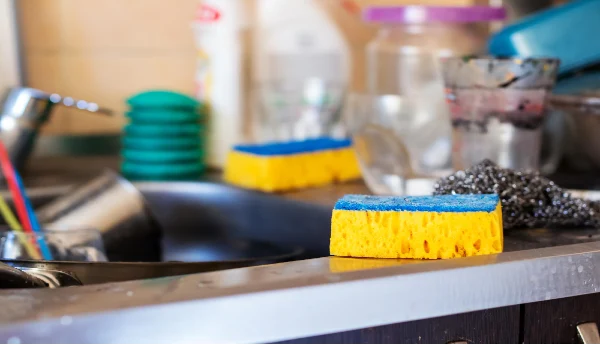
Sponges are one of the biggest germ carriers in any kitchen. They remain damp for long periods, which makes them ideal breeding grounds for bacteria. Using the same sponge to wipe countertops and wash dishes can spread germs across surfaces.
Replace your sponge every one to two weeks. You can also disinfect it by microwaving it, while damp, for one minute or soaking it in a bleach solution. Dishcloths should be washed in hot water regularly. Switching to disposable paper towels for certain tasks can also reduce cross contamination.
3. Cutting Boards in Your Kitchen
Cutting boards, especially wooden ones, absorb moisture and food particles. When used for raw meat and vegetables without proper cleaning, they can transfer harmful bacteria to other foods. Small knife grooves on the surface trap germs and make cleaning more difficult.
Use separate cutting boards for raw meat and fresh produce. After each use, wash them thoroughly with hot soapy water and sanitise them with diluted vinegar or a mild bleach solution. Allow them to air dry completely before storing to prevent mould growth.
4. Refrigerator Handles and Shelves
The refrigerator handle is touched multiple times a day, often with unwashed hands. It can collect more germs than you realise. Inside the fridge, spills from food containers and expired products create bacteria friendly environments.
Wipe down fridge handles daily with a disinfectant wipe. Clean the interior shelves at least once a month by removing items and wiping down surfaces with warm, soapy water. Regularly check expiry dates and discard spoiled food to prevent contamination and foul smells.
5. Your Kitchen Countertops
Countertops may appear spotless, but they frequently come into contact with grocery bags, phones, raw food and cooking utensils. Without proper cleaning, bacteria can linger and multiply quickly.
Clean countertops before and after meal preparation using a disinfectant spray. Pay extra attention to corners and edges where crumbs accumulate. During deep cleaning routines, such as preparing for end of lease cleaning Adelaide, ensure every surface is sanitised thoroughly for a hygienic finish.
6. Stove Knobs and Appliance Buttons
Stove knobs, microwave buttons and oven handles are often overlooked during daily cleaning. These areas are touched with greasy or unwashed hands while cooking, leading to hidden grime and bacteria buildup.
Remove stove knobs if possible and wash them with warm, soapy water. Wipe appliance buttons with disinfectant wipes regularly. A small toothbrush can help scrub tight spaces and remove stubborn grease from edges and corners.
7. The Kitchen Garbage Bin
Your kitchen bin is an obvious germ hotspot, yet it is often neglected. Food waste, moisture and warmth create the perfect breeding ground for bacteria and pests. Even if you use bin liners, leaks and spills can contaminate the bin’s interior.
Empty the bin daily and wash it weekly with hot water and disinfectant. Sprinkle baking soda at the bottom to absorb odours. Keeping the bin lid clean is equally important since it is touched frequently.
8. Cabinet Handles and Light Switches
Cabinet handles and light switches are touched multiple times a day but rarely cleaned. They collect invisible germs from hands that may have handled raw food or other contaminated items.
Make it a habit to wipe down these high touch surfaces regularly. Use disinfectant wipes or a mild cleaning solution. Including these small but important details in your routine is especially crucial during professional cleaning tasks like end of lease cleaning Adelaide, where hygiene standards are closely inspected.
Infographic For Cleaning The Most Germiest Places In Your Kitchen

Wrapping Up
Maintaining a clean kitchen is not just about appearance; it is about protecting your health. Germ hotspots can hide in places you least expect, from your sink drain to cabinet handles. Regular cleaning, proper sanitising techniques and attention to detail can significantly reduce the risk of contamination. By focusing on these germ prone areas, you can create a safer and healthier cooking environment for your family.